


July in Mallorca. The sun is fierce by 9am, the cobblestones radiate heat by noon, and tourists are wilting by 11. Many first-time visitors are surprised by how intense Mallorca’s summer sun can feel. Temperatures regularly climb above 30°C, but the combination of strong Mediterranean sunshine, stone streets, and limited shade in some areas often makes it feel even warmer.
Here’s how to experience Mallorca summer the local way.
1. Start early – the morning belongs to you
Before 9am, Mallorca feels like a completely different island. The air is cooler, the streets are quieter, and local life is already underway. In Palma, Mercat de l’Olivar is buzzing with people buying fresh fish, vegetables, cheeses, and bread for the day ahead. In neighbourhoods like Santa Catalina, cafés fill with locals grabbing coffee before work. In smaller towns such as Sóller and Pollença, the pace is slower but the principle remains the same: mornings are for moving. Grab an ensaïmada fresh from the bakery, order a café amb llet at the counter, and take advantage of the coolest hours of the day.
Why locals do so much before 10am
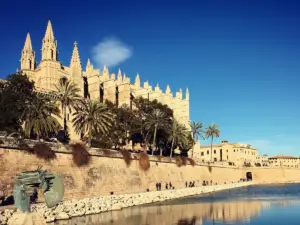
One of the first things visitors notice is how active Mallorca feels early in the morning. Markets open, deliveries are made, cafés fill up, and residents take advantage of the cooler temperatures before the heat settles in. For travellers, this is also one of the best times to explore Palma Old Town.
2. Beach time: early or late – not in between
When to go
Mallorca’s UV index during summer regularly reaches 9–10, which is considered very high to extreme. Unprotected skin can burn surprisingly quickly between 11am and 4pm.
The local rule is simple:
- Beach before 10am
- Beach after 5pm
- Avoid the middle hours whenever possible
Early mornings offer calmer water, fewer crowds, and more comfortable temperatures. Late afternoons bring softer light and some of the island’s best swimming conditions.
Sun protection essentials
SPF 50, a wide-brimmed hat, sunglasses, and plenty of water are non-negotiable. Reapply sunscreen regularly, especially after swimming. Dehydration sneaks up quickly in Mallorca’s climate, particularly if you’re walking around towns or spending long hours on the beach.
What locals do during the hottest hours
Between roughly 1pm and 5pm, Mallorca naturally slows down. Some businesses close, terraces become quieter, and many people retreat indoors, find shade, or head home for lunch. Visitors often try to cram sightseeing into these hours. Locals do the opposite.
3. The long lunch – Mallorcan style
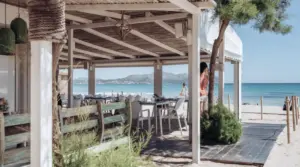
Between 2pm and 5pm, Mallorca slows right down and the smartest thing you can do is surrender to it. Lunch remains the most important meal of the day for many Mallorcans. It’s eaten slowly, often outdoors under a shaded terrace or inside thick stone buildings designed to stay cool.
What to order
Start with pa amb oli, the island’s famous bread rubbed with tomato and olive oil. Follow it with fresh grilled fish, seasonal seafood, or tumbet, Mallorca’s vegetable dish of layered potatoes, aubergines, and tomato sauce. These dishes are ideal for summer: seasonal, flavourful, and satisfying without feeling heavy.
Local tip: menú del día
Ask for the menú del día. Most local restaurants offer a set lunch menu including a starter, main course, dessert, and sometimes a drink for around €12–18. It’s one of the easiest ways to eat like a local while enjoying seasonal dishes at excellent value.
Where to enjoy a long lunch
Santa Catalina in Palma is one of the island’s best neighbourhoods for long lunches thanks to its mix of local restaurants, market culture, and shaded terraces. For a slower atmosphere, head to towns like Sóller or Pollença, where lunch often becomes the main event of the day rather than just a stop between activities.
4. What to drink when it’s hot
Staying hydrated is one of the simplest ways to enjoy Mallorca in summer. Locals regularly alternate wine, beer, or cocktails with sparkling water, fresh orange juice, or iced coffee throughout the day. Fresh citrus is everywhere on the island, particularly in areas like Sóller, where orange groves have shaped the local landscape for generations.
While enjoying Mallorca’s wine culture is part of the experience, balancing it with plenty of water becomes especially important during the hottest months.
5. What to wear
Mallorca in summer rewards those who dress for the climate and punishes those who don’t. The principle is simple: linen or cotton, loose and light, pale colours that reflect rather than absorb the sun. Synthetic fabrics trap heat and become uncomfortable fast, leave them at home.
6. Plan your food experiences around the heat
One of the best ways to explore Mallorca’s food culture without battling the worst of the summer heat is to join a food tour and choose the right time slot for the weather.
Afternoon tours: 13:00–17:00 and 12:30–16:30
Tours in Palma Old Town and Pollença run 13:00–17:00. The Sóller tour runs 12:30–16:30. These afternoon slots work well in summer because you’re eating and drinking at each stop rather than staying in the sun. The tour moves at a relaxed pace with time to sit at every location. By the time you finish, the heat is easing and you’re well placed for a swim, a sunset, or a quiet dinner.
Evening tours: 17:00–21:00
If you’d rather avoid the afternoon heat entirely, Palma Old Town and Santa Catalina both offer an evening slot from 17:00–21:00. This is one of the best ways to experience Palma in summer. The temperature drops, the light turns golden, terraces fill up, and the city comes back to life. Four stops, four dishes, four drinks, finishing just as the evening properly gets going.
Where to enjoy a long lunch
Mallorca in summer is not something to endure, it’s something to lean into. Move early, eat slowly, protect yourself from the sun. The midday heat is best spent in the shade with a cold drink and good food in front of you. Find a table, and let the day take care of itself.