

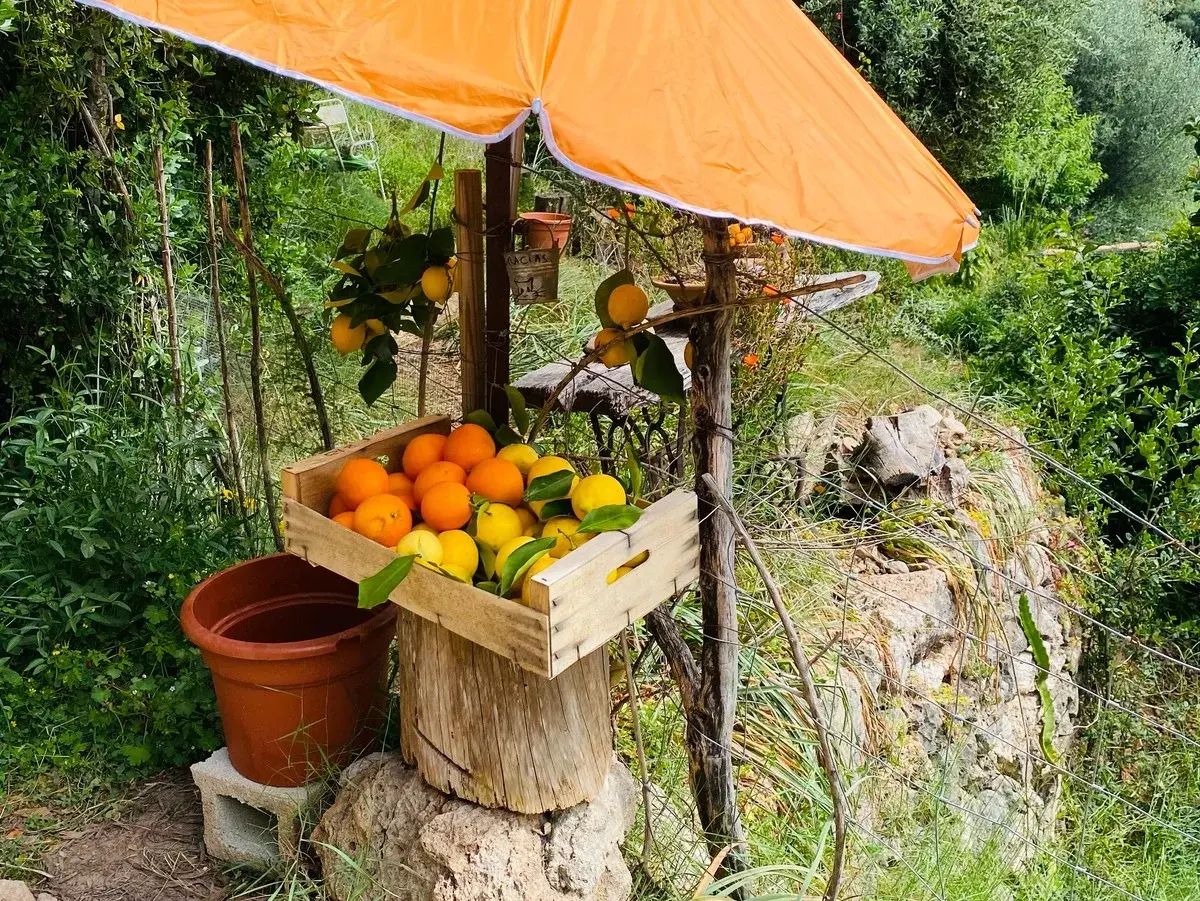

Citrus season in Mallorca is one of the best times to experience the island’s local food culture and fresh seasonal flavours. Winter in Mallorca is honestly underrated. Everyone links the island to summer, beaches and chaos, but winter? That’s when things actually start to make sense. The pace slows down, the island feels more local.
Citrus season fits perfectly into that vibe. Oranges, lemons and mandarins are everywhere, but not in an over-the-top way. They just… belong. You notice them at breakfast, in cafés, in desserts, and sometimes without even realising it. It’s fresh, seasonal and way more authentic than the Mallorca most tourists see.
When is citrus season in Mallorca?
Citrus season in Mallorca usually runs from December until March, although the exact timing can change slightly depending on the weather and the type of citrus. The peak of the season falls in January and February, when most fruits are fully ripe and ready for consumption.
Mallorca’s Mediterranean climate plays a key role in this process. Because winters are mild and there’s enough rainfall, citrus can grow at a slower pace, which results in better flavour, more sweetness and juicier fruit. Unlike imported citrus that is often harvested early for transport, local citrus is picked when it is ready, resulting in better quality and taste.
This period also aligns with a quieter tourism season. With fewer visitors around, local food systems focus more on residents and local consumption, which makes seasonal produce even more important.
Why Sóller is the heart of Mallorca’s citrus culture
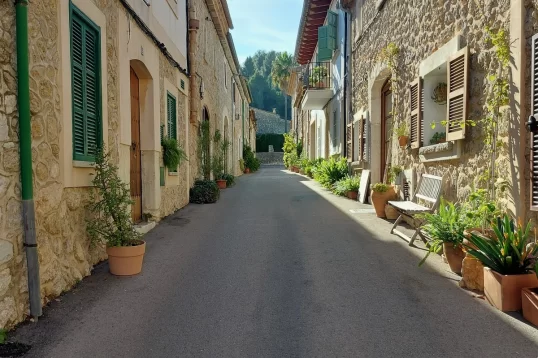
The town most closely linked to citrus farming is Sóller. Located in a valley surrounded by mountains, Sóller offers ideal growing conditions for citrus trees. The area has a long history of citrus production, going back several centuries.
Historically, Sóller oranges were exported to mainland Europe and played a significant role in the local economy. Although large-scale export has decreased, citrus farming remains part of the region’s identity. Many families still own small groves, and orange trees are common in gardens and agricultural land.
Even though tourism is a big thing on Mallorca, Sóller has managed to keep its farming traditions alive. It shows how local food and agriculture are still closely linked to the place.
Types of citrus grown on Mallorca
Several types of citrus are grown on the island, each with its own characteristics and uses.
Oranges are the most well-known variety and are used both fresh and in cooking. They are commonly consumed as juice but also appear in desserts and sauces. Lemons are widely used in savoury dishes, baking and drinks by adding freshness. Mandarins are popular during winter months as a snack fruit due to their sweetness and easy peeling.
Smaller amounts of other citrus varieties can also be found, depending on the region and season. The variety of citrus shows how rich the island’s agriculture is and makes it easy to use citrus in many different local dishes.
Where citrus season comes to life
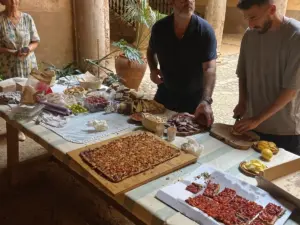
Citrus season is most visible in everyday food environments rather than in tourist-focused settings. Local markets are the clearest example, with stalls offering freshly harvested citrus during winter months. Seasonal produce changes how markets look and feel, making them more focused on what locals actually buy.
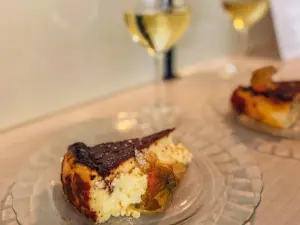
Cafés and bakeries also adapt to the season. Fresh orange juice becomes a standard offering, and pastries often include citrus flavours. Restaurants adjust menus as well, using citrus to add freshness to winter dishes or to balance richer ingredients.
Instead of being promoted as a seasonal highlight, citrus simply becomes part of everyday life, which shows how important it really is in local food culture.
Why citrus is an important part of Mallorcan food culture
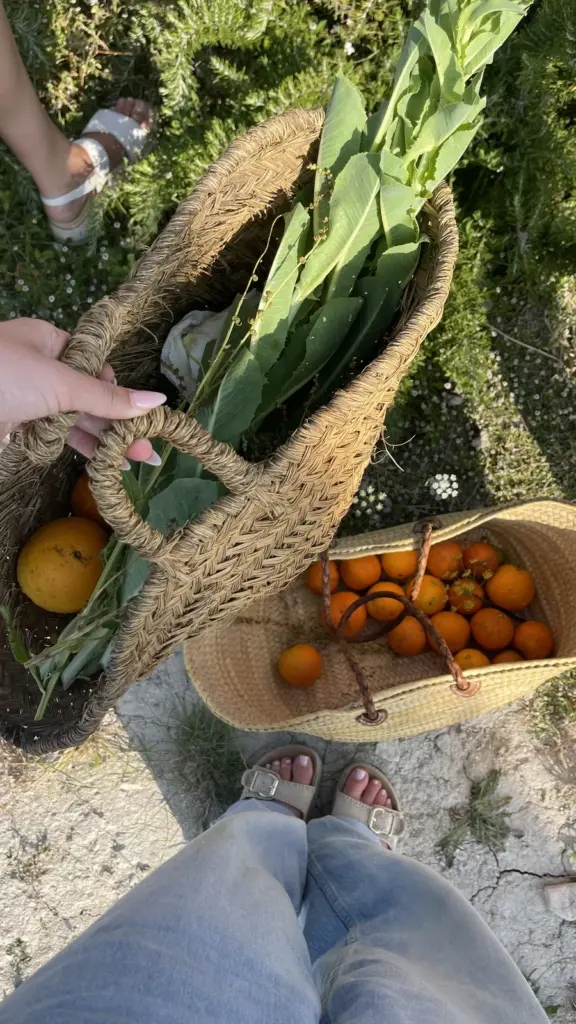
Mallorcan food follows the seasons, and winter is when citrus really gets its moment. As dishes become a bit richer, citrus comes in to freshen things up. A squeeze of lemon here, a hint of orange there, just enough to keep flavours balanced without stealing the spotlight.
You’ll spot citrus in all kinds of dishes, sweet and savoury alike. It shows up in desserts, sneaks into marinades and gives sauces a lighter edge. Nothing feels overdone. Citrus is used because it fits, not because it’s trendy.
That’s kind of the point of Mallorcan cooking. Food is based on what’s available and what tastes good right now. By sticking to the seasons, the island keeps its food culture closely linked to the land and climate. Citrus season proves that sometimes, keeping things simple is exactly what works best.
A seasonal overview
Citrus season gives a clear insight into what winter food culture in Mallorca is really about. It shows how local produce, short supply chains and seasonal eating still play a big role in everyday life on the island. Instead of focusing on variety or volume, winter food is all about quality and timing.
For visitors, this offers a different way to experience Mallorca. One that goes beyond the usual summer image. By paying attention to citrus season, it becomes easier to see how food shapes daily routines during quieter months. It also shows that winter in Mallorca isn’t less interesting than summer, just different. Especially for anyone interested in food, culture and local traditions, the citrus season proves that winter deserves just as much attention!